Coastal Women Leaders Conduct Field Visit to Al-Azizi Island to Explore Sea Turtle Conservation and Plastic Pollution
27th September 2026
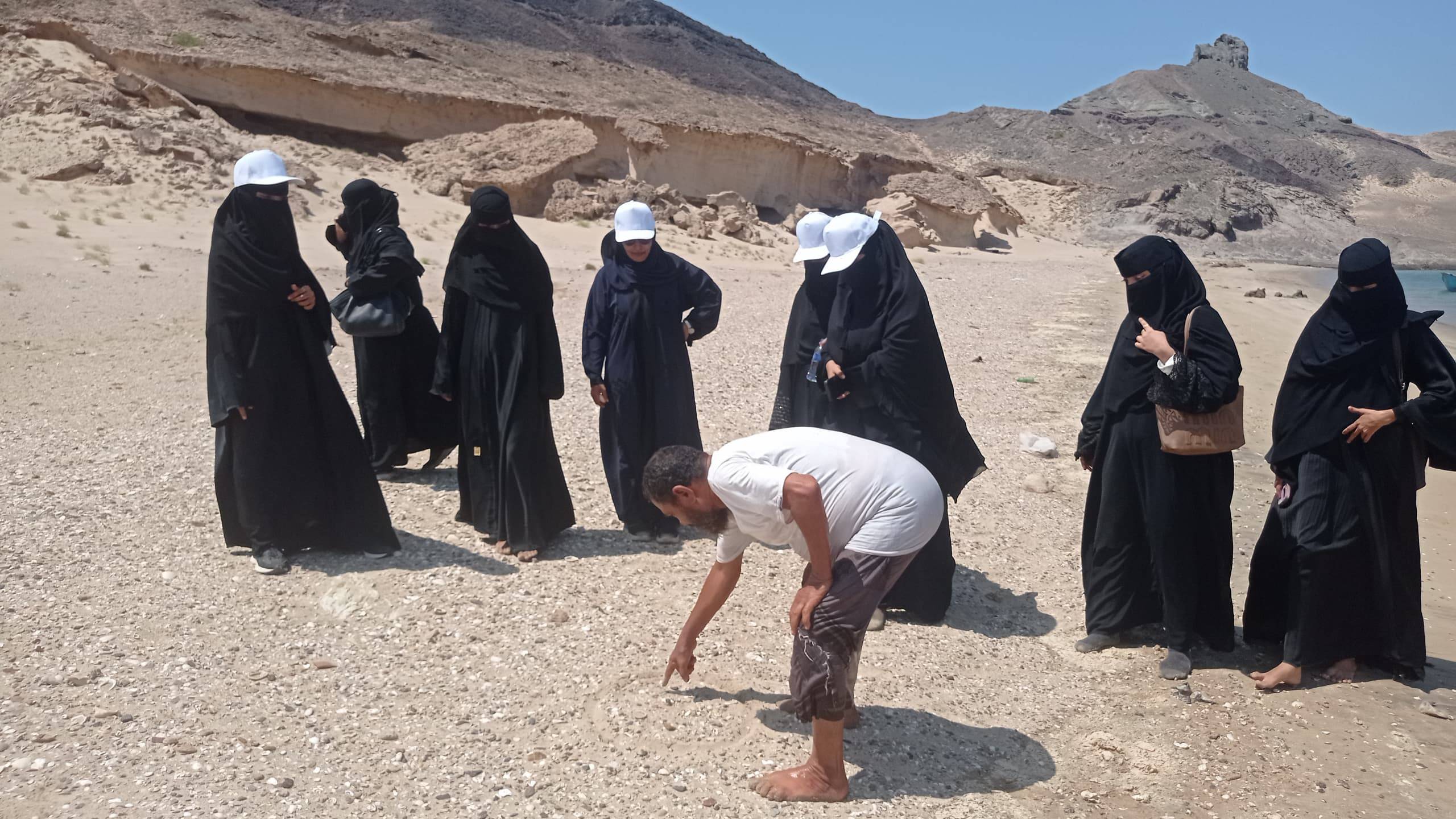
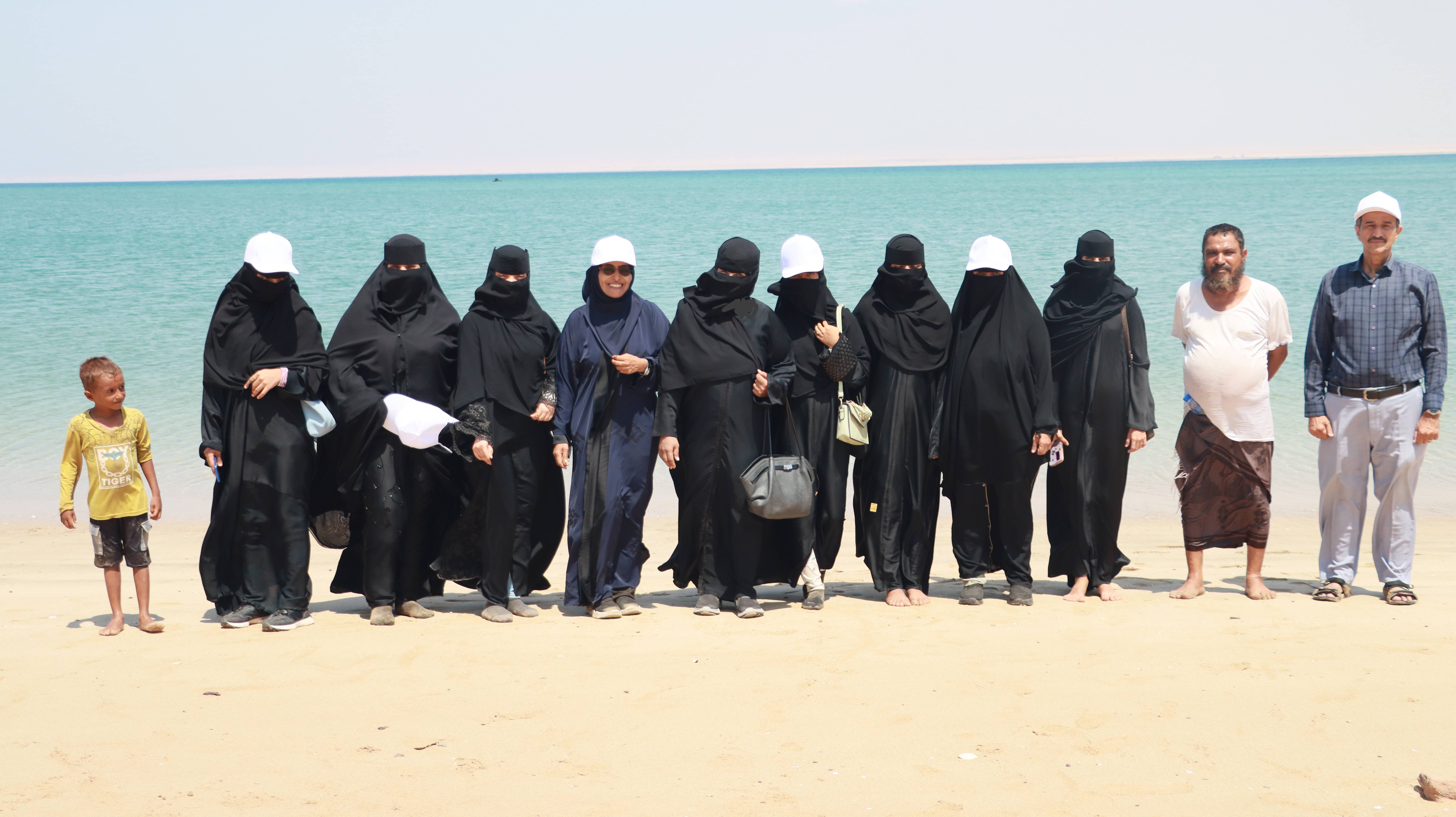
A team of Coastal Women Leaders conducted a field visit today, Sunday, to Al-Azizi Island in the Gulf of Aden to deepen their practical understanding of marine turtles, explore nesting and hatching sites and turtle movement routes, and gain first-hand knowledge of their life cycle and the threats they face in their natural habitat.
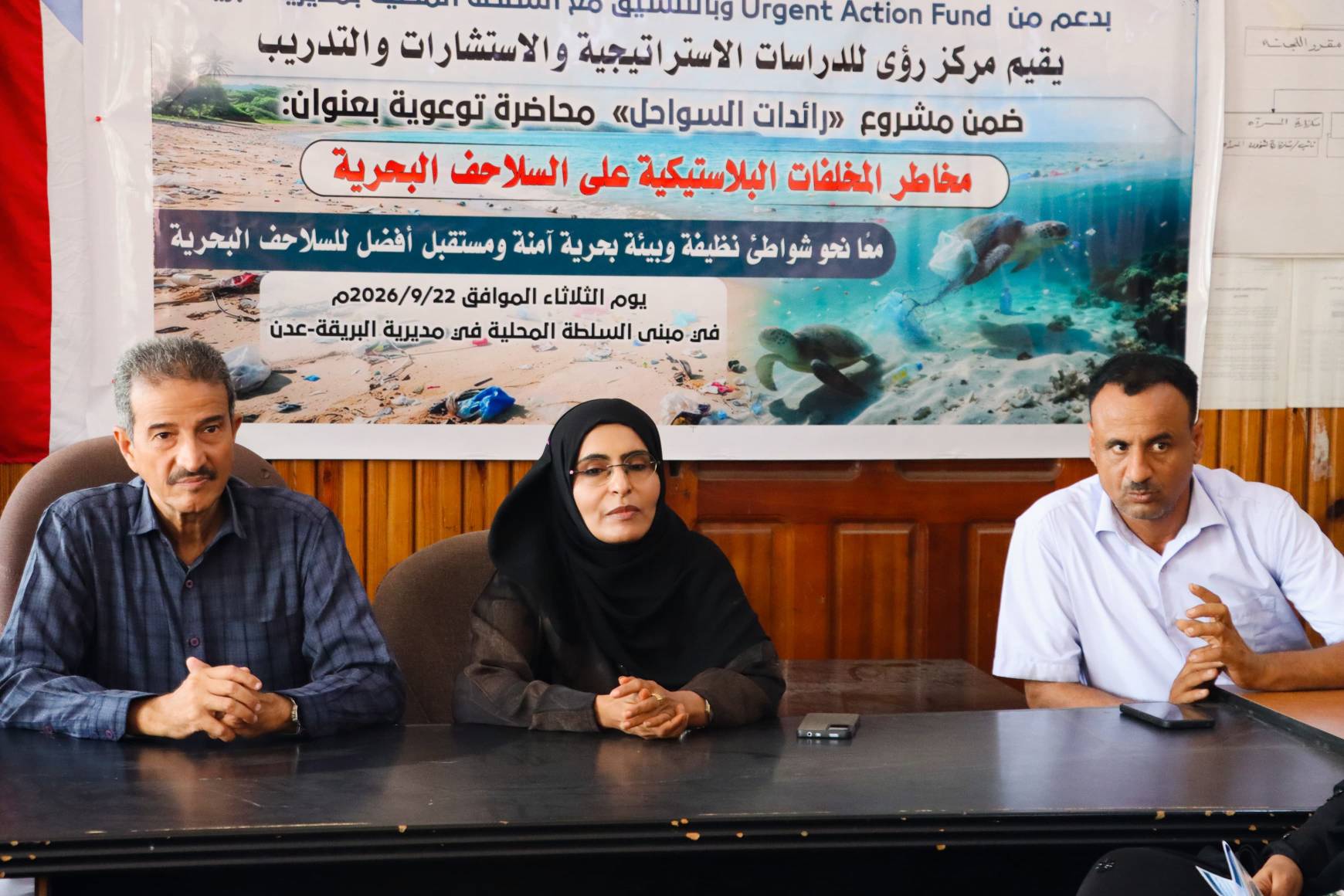
The visit was organised as part of the “Coastal Women Leaders” project, implemented by the Ruaa Centre for Strategic Studies, Consultancy and Training with support from the Urgent Action Fund (UAF). The project seeks to strengthen women’s role in protecting the marine environment and advocating for the conservation of marine turtles and their habitats.
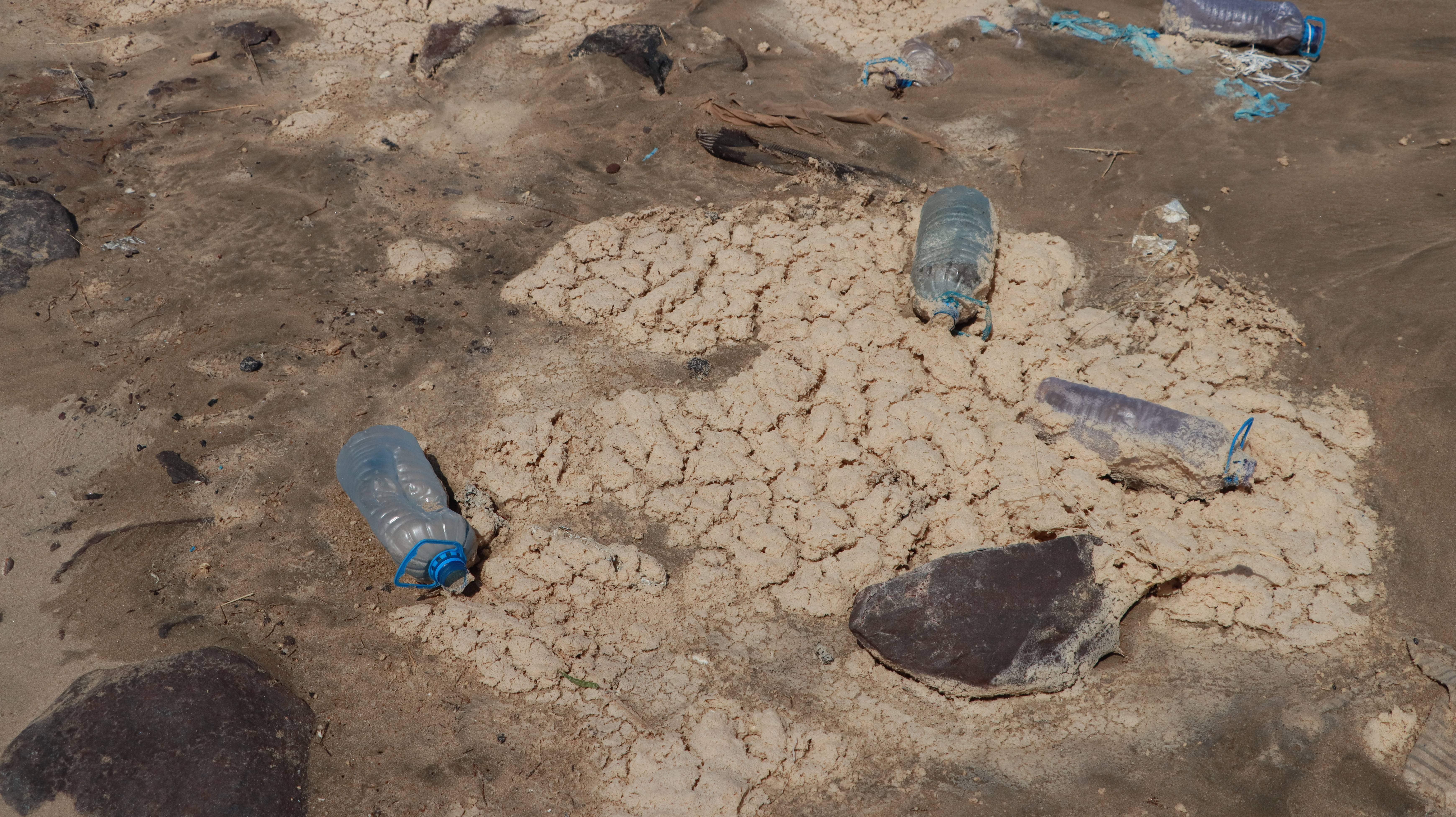
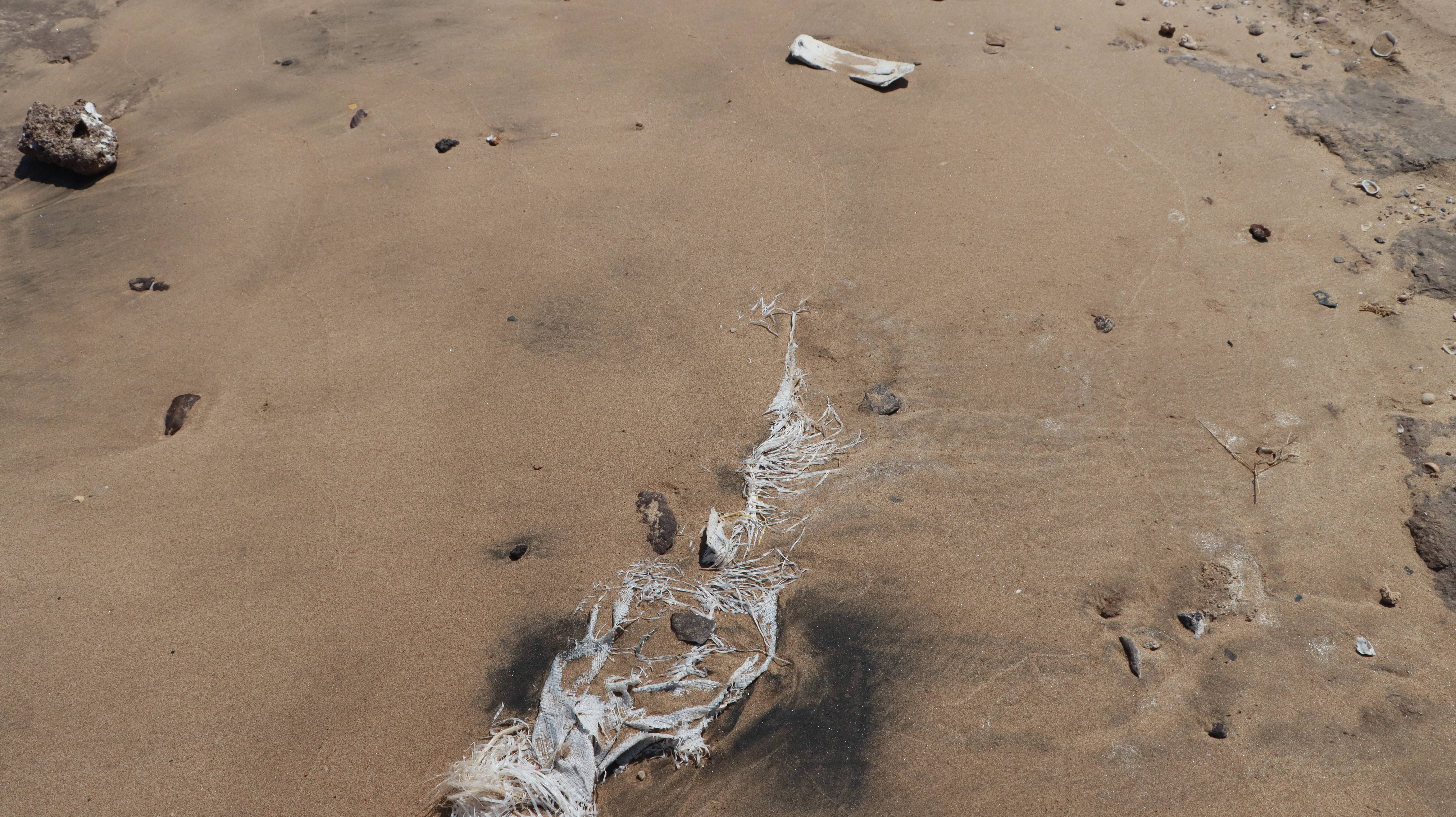
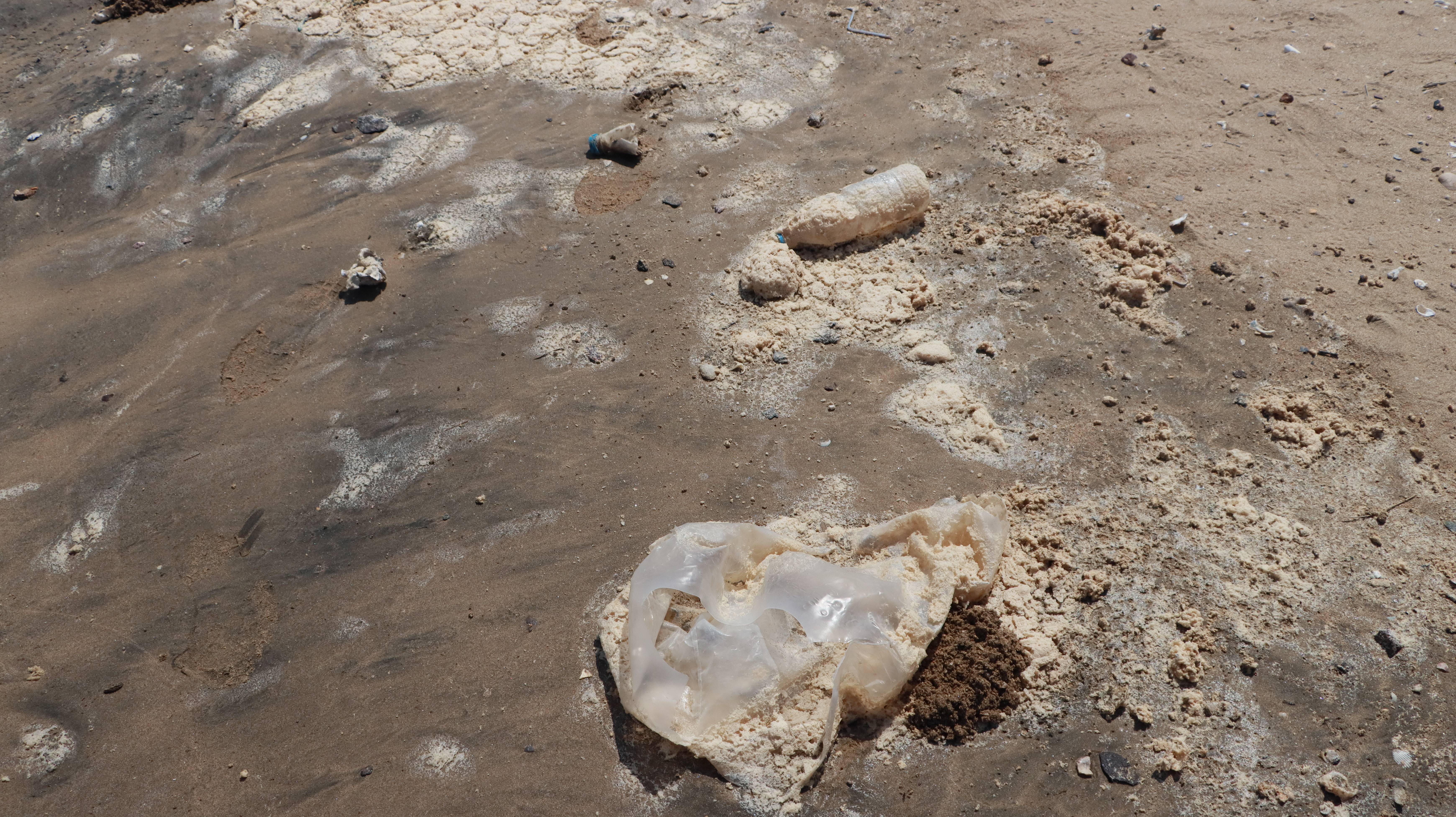
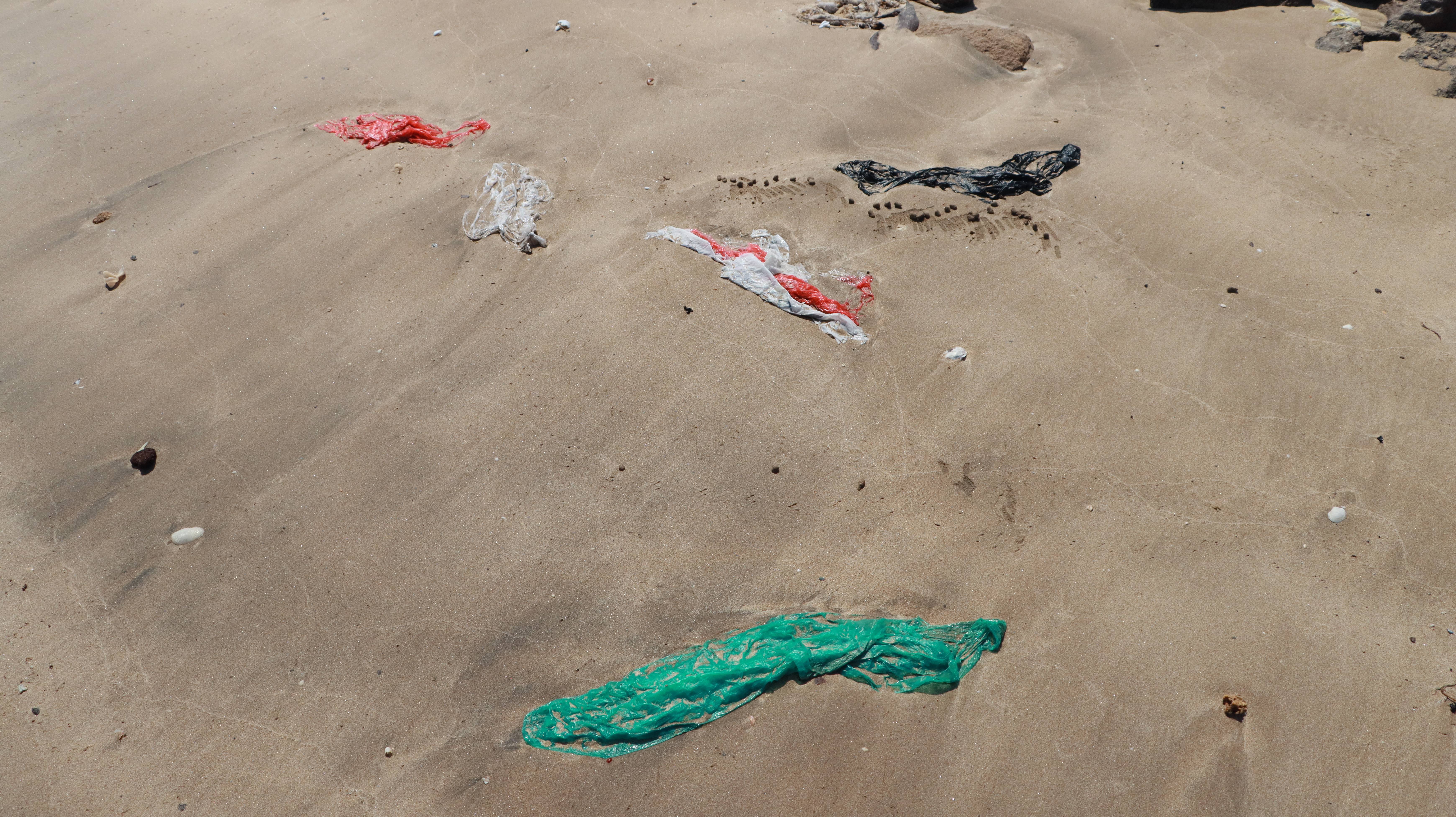
During the visit, participants explored turtle nesting sites, hatching areas and movement routes. They also assessed the extent of plastic pollution across the island, identifying areas where plastic waste had accumulated and examining the risks it poses to marine turtles, particularly hatchlings as they make their way from their nests to the sea.
The participants discussed the environmental challenges caused by the accumulation of plastic waste and its impact on marine ecosystems and turtle survival. They also highlighted the importance of regular field observations and systematic documentation in understanding environmental threats and developing practical measures to address them.
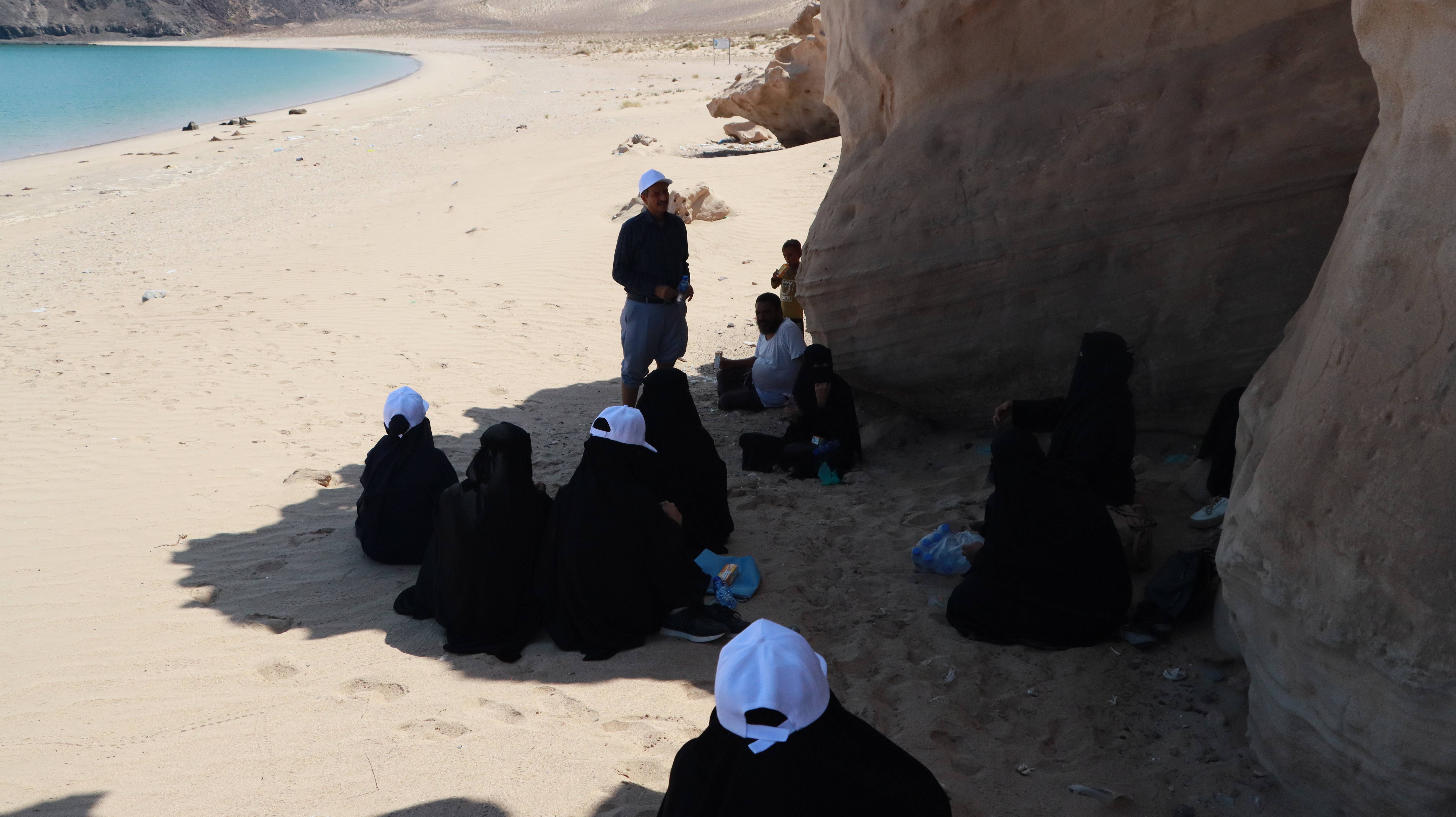
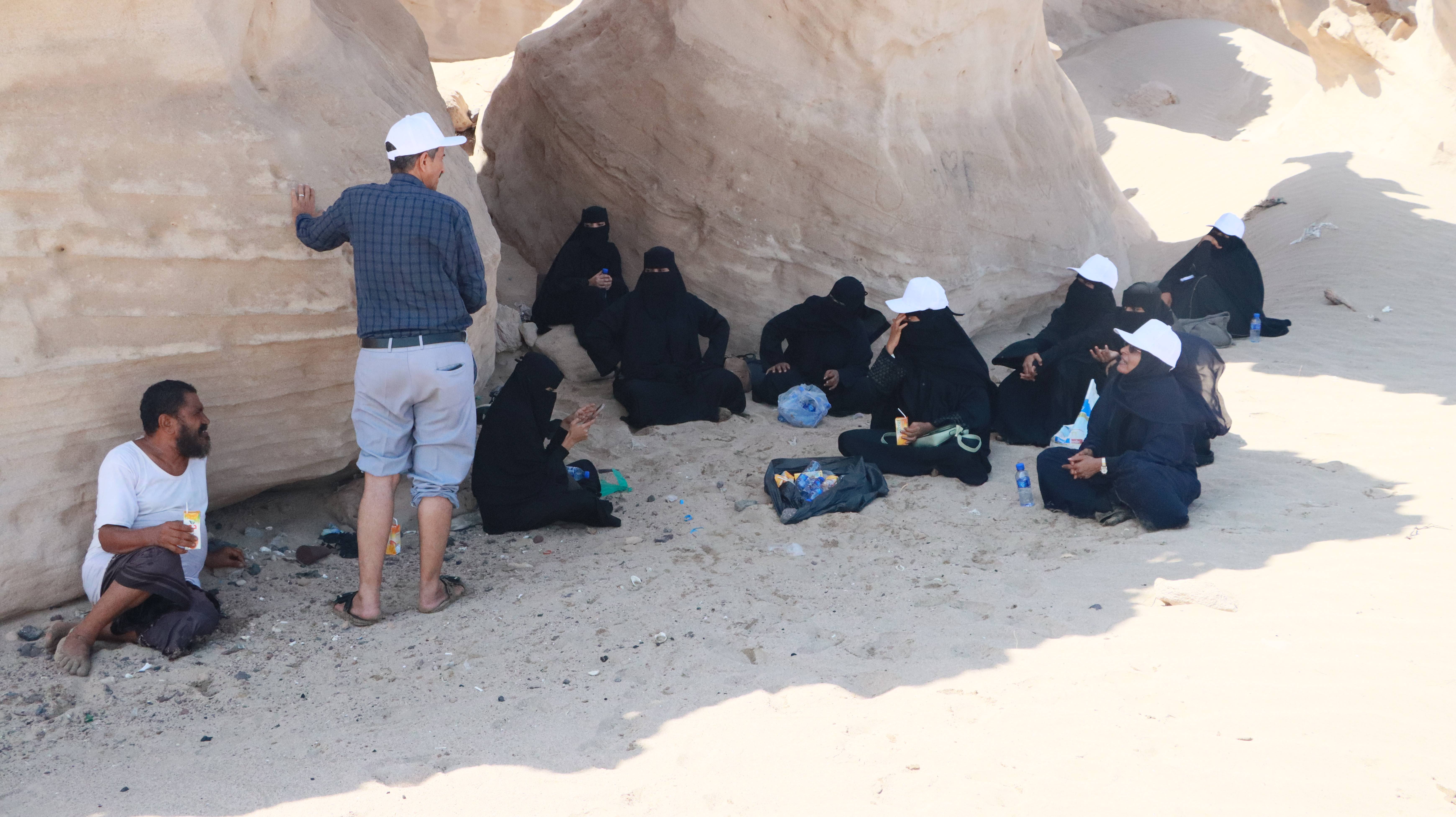
The Coastal Women Leaders received field-based guidance from Dr. Jamal Bawazir, Head of the Environmental Protection Unit at Ruaa Centre. They also learned about the Centre’s previous work on marine turtle conservation from Dr. Jaklin Mansour, President of Ruaa Centre for Strategic Studies, Consultancy and Training, and Saleh Al-Arar, a member of the field team involved in the island’s turtle conservation activities.
The session covered the life cycle of marine turtles, their behaviour during nesting and hatching seasons, and approaches to identifying and documenting nesting sites. It also addressed the main threats facing turtles, particularly plastic pollution and the accumulation of waste on the island.
The visit underscored the importance of engaging women and local communities in marine turtle conservation and strengthening their capacities in environmental assessment, documentation, awareness-raising and advocacy. Such efforts can contribute to protecting biodiversity and reducing the impact of plastic pollution along the Gulf of Aden coast.
With support from the Urgent Action Fund (UAF), the “Coastal Women Leaders” project continues to empower women to play an active role in protecting coastal ecosystems and marine turtles, while transforming field-based knowledge into community initiatives and advocacy campaigns that support coastal conservation and a safer marine environment for turtles and future generations.
Photos